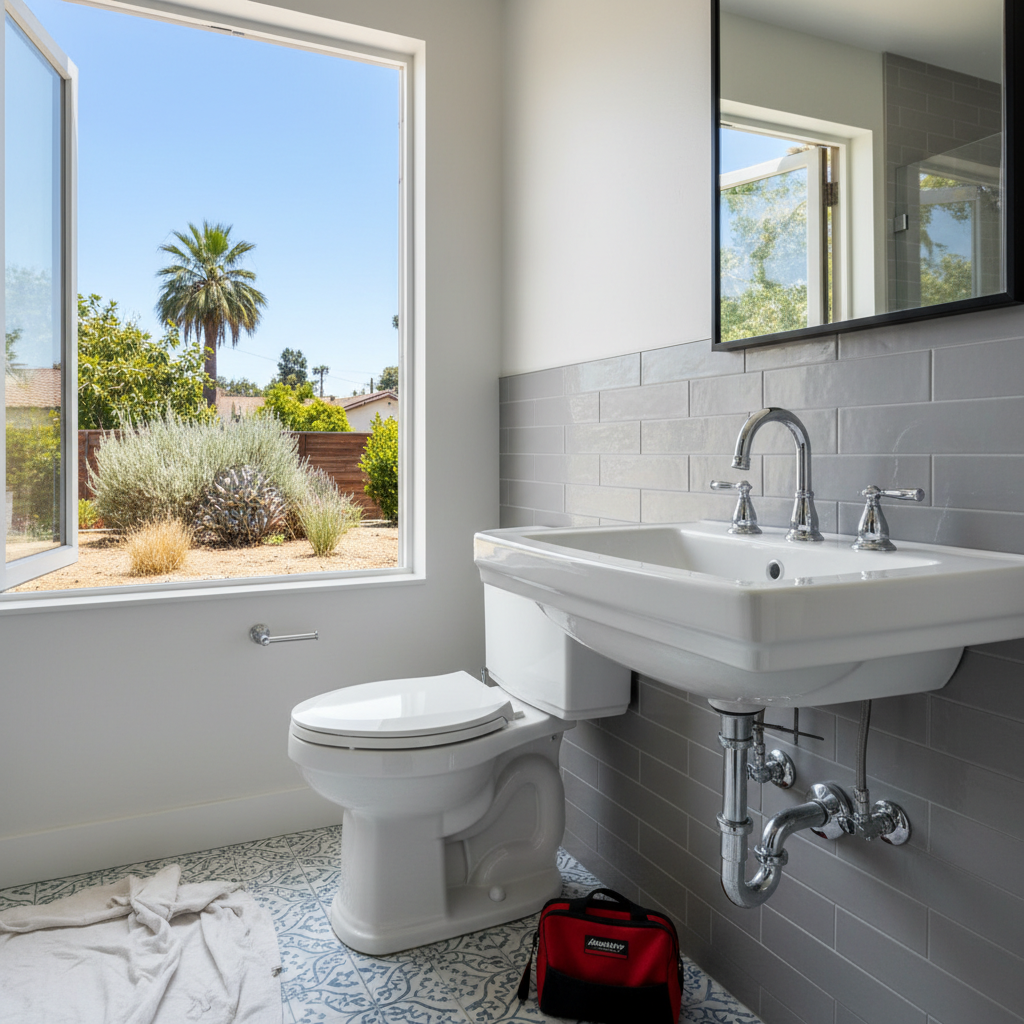
Your plumbing system, whether it's sparkling new from a recent remodel or has been around for decades, needs some regular attention to keep humming along. It's not just about fixing things when they break, you know? It's really about trying to keep them from breaking in the first place, or at least not as often. As a contractor who's seen more than a few pipes here in Whittier, I can tell you that a little preventative care actually goes a very long way.
Make Your Plumbing Last Longer
Okay, this isn't exactly rocket science, but people often forget the basics. First off, really watch what you let go down your drains. Grease, coffee grounds, hair, those 'flushable' wipes (they're definitely not, trust me) – these are like silent assassins for your pipes. They build up gradually, especially in older homes with the cast iron pipes you often find in places like Friendly Hills. This leads to slow drains and, eventually, a full-blown clog. Just use drain strainers in your sinks and showers. It's a cheap fix that saves you a huge headache and a service call later on.
Water quality also plays a pretty big part. Here in Southern California, we're notorious for hard water. That means minerals like calcium and magnesium are floating around, and they just love to stick to the inside of your pipes, water heater, and fixtures. This scale buildup narrows the flow and makes your appliances work harder, which shortens their life. A whole-house water softener can make a massive difference, not just for your plumbing but for your skin and laundry too. If a softener isn't an option right now, regularly flushing your water heater helps a lot, which brings me to maintenance.
What "Regular Maintenance" Actually Means
So, what should you actually be doing? It's not a ton of work, but it really is important.
- Flush Your Water Heater Every Year: This is a big one, especially if you're in a hard water area. Sediment settles at the bottom of your water heater tank. This makes it less efficient and eventually causes corrosion. Just connect a hose to the drain valve at the bottom of the tank and let it run until the water comes out clear. Be careful, though; it'll be hot!
- Check for Leaks Often: Take a quick walk around your house. Look under sinks, around toilets, and near your water heater. Even a tiny drip can waste a lot of water and cause bigger problems down the line, like mold or structural damage. Keep an eye on your water bill, too; a sudden jump without using more water usually points to a hidden leak.
- Clean Aerators and Showerheads: Those small screens on your faucets and showerheads can get gunked up with mineral deposits. Unscrew them, clean them with a brush and some vinegar, then put them back. You'll definitely notice better water pressure.
- Test Your Sump Pump (if you've got one): If your home has a sump pump, especially if you're in a lower-lying area, pour a bucket of water into the pit to make sure it kicks on and drains correctly. You really don't want to discover it's failed during a heavy winter rainstorm, do you?
For outdoor plumbing, especially with our dry summers and those occasional heavy rains, keep an eye on your irrigation system. Leaky sprinkler heads or underground pipes can waste a lot of water and cause foundation issues over time. Also, check your outdoor spigots for drips.
Signs That Your Plumbing Has a Problem
Your plumbing usually gives you some hints before it completely conks out. Don't ignore these:
- Slow Drains: This is probably the most common early warning. If a drain is always slow, it's telling you there's a blockage forming. Don't just dump chemical drain cleaner down there; those can be harsh on your pipes. Try a plunger or a drain snake first.
- Low Water Pressure: If it's just one faucet, it might be a clogged aerator. If it's happening throughout the house, it could be a bigger deal, like mineral buildup in your main lines or a problem with your water pressure regulator.
- Discolored Water: Brown or rusty water often means corrosion in your pipes or your water heater. If it's only coming from the hot tap, it's probably your water heater.
- Strange Noises: Gurgling drains, banging pipes (we call that "water hammer"), or a toilet that's constantly running are all signs that something isn't quite right.
- Unpleasant Odors: Foul smells coming from drains can point to a dry P-trap, a vent pipe issue, or even sewage backing up.
- Wet Spots or Stains: Any unexplained dampness on walls, ceilings, or floors, or a musty smell, could mean you have a hidden leak.
Ignoring these signs is kind of like ignoring the check engine light in your car. It'll only get worse, and more expensive, trust me.
When to Call a Professional
Look, I'm all for homeowners tackling what they can, but some jobs are definitely better left to the pros. If you've got a stubborn clog that a plunger just won't clear, or if you're seeing multiple slow drains, it's time to call someone. That usually means a main line blockage, and you really don't want to mess with that yourself.
Any suspected gas leak (you know, that rotten egg smell) needs immediate professional attention – turn off your gas and call the gas company and a plumber right away. Burst pipes, major leaks, or issues with your water heater that are more complicated than a simple flush also warrant a call. If your water pressure is low throughout the house, or if you suspect a slab leak (warm spots on the floor, the sound of running water when nothing's on), don't delay. These can cause serious damage if you don't address them quickly.
We at Whittier Bathroom Solutions handle all sorts of plumbing work, big and small. Sometimes, just having an experienced eye look at your system can save you a lot of grief down the road. Don't wait until you're standing in an inch of water to pick up the phone.