What's the difference between a remodel and a modernization?
Good question, because people use these terms interchangeably, but there's a real difference, at least in my book. A 'remodel' can be anything from painting the walls and swapping out a vanity to tearing everything down to the studs. It's a broad term. 'Modernization,' though, that's more specific. When I talk about modernizing a bathroom, I'm usually thinking about bringing it up to current standards in terms of style, functionality, and sometimes even technology. We're talking about things like walk-in showers, smart toilets, better lighting, and materials that are easier to clean and maintain. It's not just about making it look new; it's about making it work better for how people live today. Often, it involves improving accessibility too, which is a big deal for folks planning to stay in their homes long-term.
How much does a bathroom modernization typically cost in Whittier?
Alright, let's get right to it because this is usually the first thing on everyone's mind. The cost of a bathroom modernization can swing wildly, honestly. You're looking at anywhere from $15,000 for a solid, mid-range update on a smaller bathroom up to $40,000 or even $60,000+ for a full, high-end master bath overhaul. What drives the price? Materials, for sure. If you want custom cabinetry, high-end tile, or fancy fixtures, that's going to add up. Labor is another big chunk, especially if we're moving plumbing lines or electrical, which often happens in older Whittier homes built in the 50s and 60s where the original layouts might not make sense anymore. Don't forget about permits either; they're a necessary cost. My advice? Have a clear budget in mind, but also be realistic about what you can get for that money. We'll always give you a transparent breakdown so you know exactly where your dollars are going with Whittier Bathroom Solutions.
How long does a typical bathroom modernization project take?
This is another one where the answer is, 'it depends,' but I can give you some averages. For a minor refresh, like just replacing a vanity, toilet, and maybe some new flooring, you might be looking at a week or two. For a more involved modernization where we're gutting the space, moving walls, or reconfiguring the layout, you're usually looking at four to six weeks, sometimes a bit longer. Master bathrooms, especially larger ones with custom features, can push that to eight weeks or more. A lot of factors play into the timeline: how quickly we can get materials delivered, if there are any unexpected issues once we open up the walls (like old plumbing or electrical that needs upgrading), and the complexity of the design. We always try to give you a realistic timeline upfront and keep you updated throughout the process. Delays happen sometimes, but good communication makes all the difference.
What are the biggest trends in bathroom modernization right now?
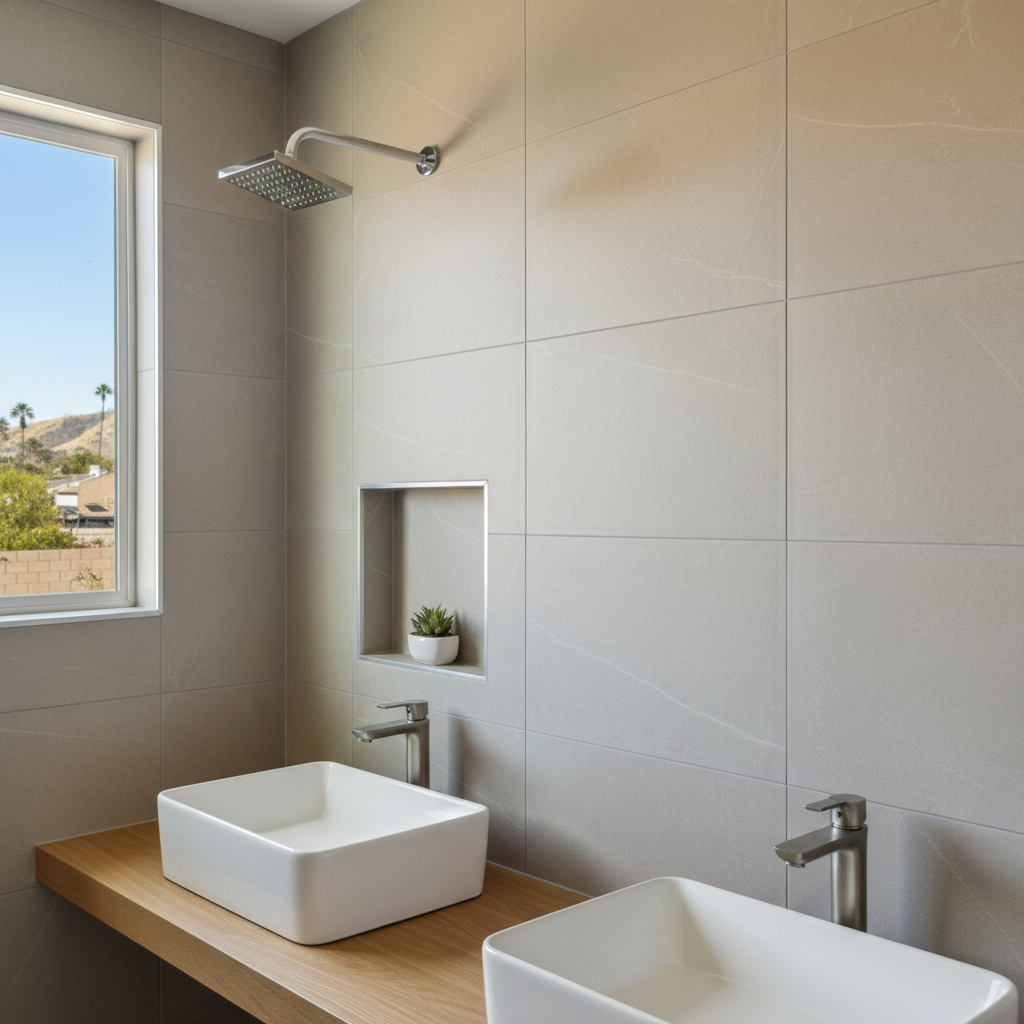
I see a few things really taking off. First, walk-in showers are huge. People want spacious, curbless showers with multiple showerheads, body jets, and built-in benches. Tubs are still around, but often they're freestanding statement pieces, not the old tub-shower combos. Second, smart technology is creeping into bathrooms: heated floors, smart mirrors with integrated lighting and defoggers, even smart toilets with bidet functions and automatic lids. Third, natural materials and textures are big – think wood-look tiles, natural stone, and earthy color palettes. People want their bathrooms to feel like a spa, a retreat. And finally, better storage and organization. Everyone wants a clutter-free space, so integrated shelving, pull-out drawers, and thoughtful cabinet design are really popular.
Do I need permits for a bathroom modernization?
Absolutely, yes, you almost certainly will. If you're doing anything beyond cosmetic changes – like replacing fixtures in their exact same spots, painting, or just swapping out a vanity – you'll need permits. This includes moving plumbing lines, changing electrical outlets, altering structural elements, or adding new fixtures. The city of Whittier has its own building codes, and they want to make sure the work is done safely and correctly. Skipping permits might save you a few bucks upfront, but it can cause huge headaches down the road when you try to sell your house, or if there's an insurance claim. It's just not worth the risk. As your contractor, I handle all the permit applications and inspections for you. It's part of doing the job right and ensuring everything is up to code.
What's the best way to choose materials for my modernized bathroom?
Choosing materials can feel overwhelming because there are so many options out there. My best advice is to start with functionality and durability, especially for things like flooring and shower surrounds. For Whittier homes, where we sometimes deal with older foundations and settling, a flexible grout and a good quality tile installation are key to preventing cracks down the line. After that, think about your personal style and what makes you feel good. Do you want a bright, airy space, or something more moody and luxurious? Look at magazines, browse online, and visit showrooms. Don't be afraid to bring samples home to see how they look in your actual bathroom lighting. We'll guide you through the selection process, showing you options that fit your budget and stand up to daily use. It's all about finding that sweet spot between beautiful and practical.
How can I make my modernized bathroom more eco-friendly?
There are definitely ways to make your new bathroom greener, and it doesn't have to break the bank. High-efficiency toilets are a no-brainer; they save a ton of water over the years. Low-flow showerheads and faucets are another easy win. For lighting, LED fixtures use far less energy and last much longer than traditional bulbs. When it comes to materials, consider things like recycled content tiles, sustainably sourced wood for vanities, or paints with low VOCs (Volatile Organic Compounds) to improve indoor air quality. Even something as simple as a good exhaust fan can make a difference by preventing mold and mildew, which means less need for harsh cleaning chemicals. Every little bit helps, and these choices often save you money on utility bills in the long run too.