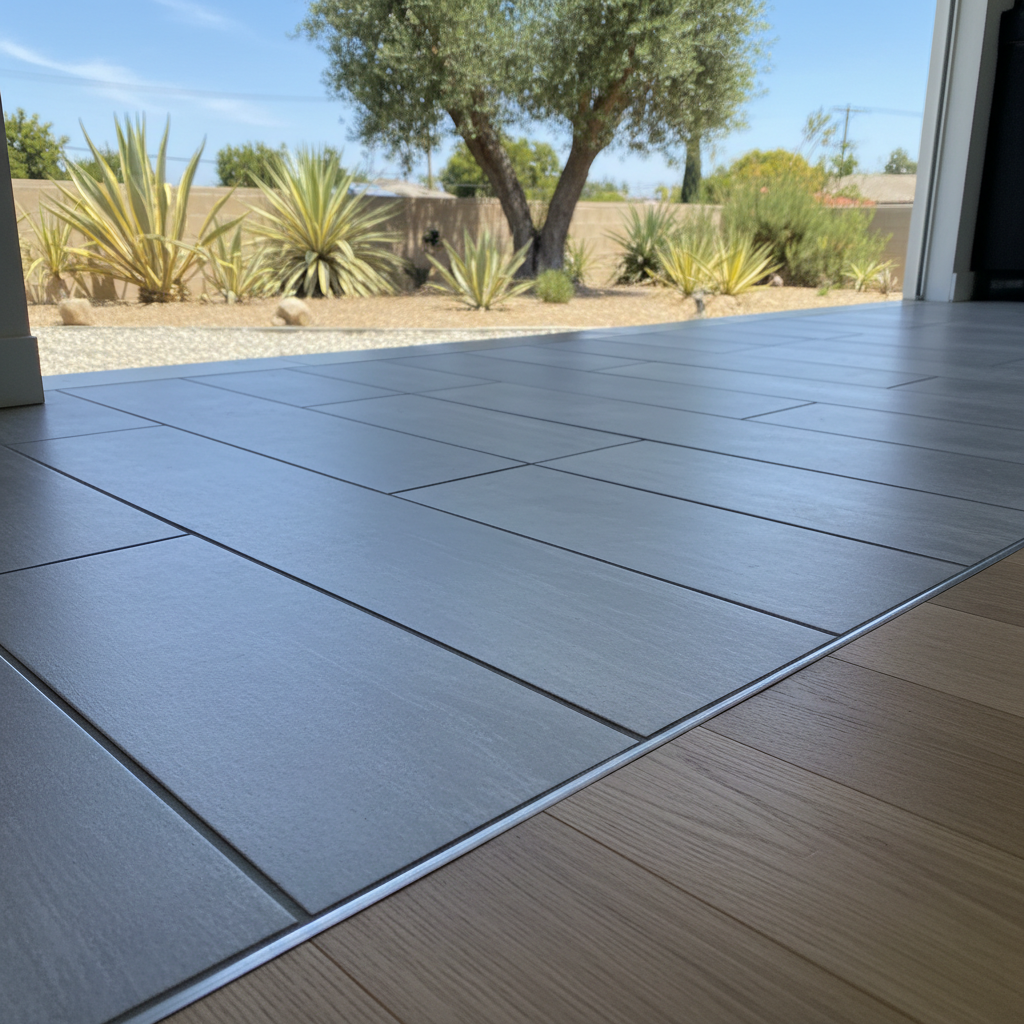
Alright, let's talk tile and flooring. It's a pretty big decision for any homeowner, and honestly, I get a lot of the same questions popping up. People want to know what's best for their place, what it's going to cost, and, let's be real, how long they'll be living in a construction zone. So, I figured I'd just lay out some straight answers to the most common stuff I hear.
What's the best flooring for a bathroom in Whittier?
This is probably the number one question, and for good reason. You need something that can really handle moisture, humidity, and spills. For bathrooms, I always steer folks toward porcelain or ceramic tile. They're waterproof, super durable, and you've got a ton of options for style and color. Vinyl plank flooring, specifically luxury vinyl plank (LVP), is another fantastic choice these days. It's come a long way; it's 100% waterproof, comfortable underfoot, and can mimic wood or stone really well. I've put LVP in plenty of bathrooms around Whittier, from the older homes in Uptown to the newer builds near the 605, and it holds up great. Natural stone like marble or travertine looks amazing, but it needs sealing and can be slippery when wet, so you've definitely got to consider that maintenance.
How long does a typical tile or flooring installation take?
That really depends on the size of the area, the type of flooring, and what kind of prep work is needed. For a standard bathroom, say 5x8 feet, with ceramic or porcelain tile, you're usually looking at two to four days. That includes demo, subfloor prep, laying the tile, and then grouting. If we're talking about a larger area like a kitchen or multiple rooms, it could stretch to a week or even two. Hardwood or engineered wood installations can be quicker for the actual laying, but the wood needs time to acclimate, which adds a few days before we even start. Don't rush it; proper drying and curing times for adhesives and grout are non-negotiable if you want it to last.
Do I need to remove my old flooring before new installation?
Most of the time, yes, you absolutely should. Pulling up the old flooring makes sure you have a clean, level, and stable subfloor for your new material. This is critical for how long your new floor lasts and how good it looks. Trying to lay new tile over old vinyl, for example, can lead to uneven surfaces, poor adhesion, and future cracking. Sometimes, if the existing floor is very thin, perfectly flat, and well-adhered (like some old sheet vinyl), you *might* be able to go over it with specific new materials, but I'd always recommend pulling it up. It gives me a chance to inspect the subfloor for any damage, moisture issues, or rot, which is especially important in our older Whittier homes where you might find some surprises under that 1950s linoleum.
What's the deal with grout? Do I really need to seal it?
Okay, grout. Yes, you need it, and yes, you should absolutely seal it, especially if it's cement-based grout. Grout is porous, meaning it can absorb liquids, stains, and mildew. Sealing it creates a protective barrier that repels moisture and makes cleaning much easier. Without sealing, your beautiful new grout lines will quickly start looking dingy, discolored, and become a magnet for dirt. Epoxy grout is an exception; it's non-porous and doesn't require sealing, but it's a bit more expensive and trickier to work with. For most residential applications, a good quality cementitious grout with a proper sealer applied after it cures is the way to go. I usually recommend re-sealing every one to three years, depending on traffic and cleaning habits.
Can I put radiant heating under my new tile floor?
You bet you can! Underfloor radiant heating systems are fantastic, especially for bathrooms or kitchens. There's nothing quite like stepping onto a warm tile floor on a chilly morning, even here in Southern California where our winters are mild. These systems use either electric heating mats or hydronic (water-based) tubes installed directly under the tile. They're energy-efficient because they heat objects directly, not just the air. Installation adds a bit to the cost and complexity, but it's a feature that homeowners consistently rave about. It's a great upgrade if you're already tearing up the floor, and it definitely adds value and comfort to your home.
How do I choose between ceramic and porcelain tile?
They look similar, but there are key differences. Porcelain tile is generally denser, less porous, and more durable than ceramic. This makes it more resistant to moisture and staining, and it holds up better to heavy foot traffic. That's why I often recommend porcelain for high-traffic areas like entryways or commercial spaces, and definitely for outdoor applications where frost resistance is a factor. Ceramic tile is a bit softer, easier to cut, and usually more affordable. It's a perfectly good choice for most residential bathrooms, kitchens, and other indoor areas where durability isn't the absolute highest priority. Both come in a huge range of styles, colors, and finishes, so you won't be limited by aesthetics. Think about where it's going and how much abuse it'll take.
What about wood flooring in a bathroom? Is that a bad idea?
Historically, yes, wood in a bathroom was a big no-no due to moisture. But things have changed. Solid hardwood is still a risky choice for a full bathroom because it expands and contracts with humidity and can warp or rot with standing water. However, engineered wood flooring can be a better option. It's more stable due to its layered construction. The best modern solution, though, if you really want that wood look in a wet area, is wood-look porcelain tile or luxury vinyl plank (LVP). Both are completely waterproof and give you the aesthetic of wood without any of the moisture worries. I've installed plenty of wood-look LVP in bathrooms, and people love the warmth it brings without the headache. It's a smart compromise if you're set on a wood aesthetic for your bathroom.
Look, getting new flooring or tile is an investment. You want it done right, and you want it to last. That's why I always encourage folks to ask questions and understand the process. If you're in Whittier and thinking about a remodel, don't hesitate to reach out to Whittier Bathroom Solutions. We're here to help you make the best choices for your home.